





Why do only some chargers work on my iPhone?
 Feb 19, 2025|
With the development of technology, smartphones have become an important part of our daily lives. Among them, Apple's iPhone has many loyal users in the market with its excellent user experience and stable operating system. However, the problem of iPhone charging often troubles many users. Especially when it comes to mixing chargers of different brands or models, users are often confused. This article will analyze in detail the problems that iPhone may encounter when using different chargers, and provide some practical safety suggestions.

1. Understand the basic knowledge of chargers
Before discussing the compatibility of iPhone with different chargers, we need to understand a few basic concepts:
- Power (Watts, W): This is a standard unit for measuring the output energy of the charger. Generally speaking, the greater the power, the faster the charging speed.
- Volts (V): Indicates the potential difference, usually divided into 5V, 9V, 12V, etc.
- Current (Amperes, A): Current is a unit for measuring the intensity of electron flow. For chargers, the maximum output current value is usually marked.

2. Charging specifications supported by iPhone
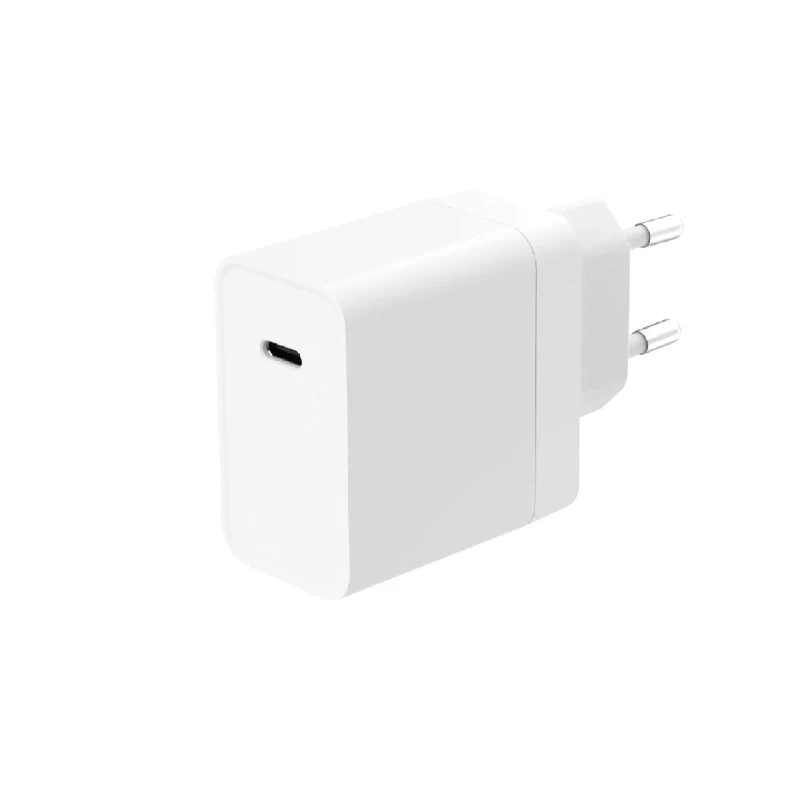
Apple has designed a variety of charging methods for iPhone, including USB-C to Lightning cables, dedicated USB-C power adapters, and wireless charging pads. Here are a few common charging options:
- USB-A to Lightning: This is the most traditional connection method, suitable for older devices, but the charging speed is relatively slow.
- USB-C to Lightning: This cable supports faster charging speeds, especially for newer iPhone models.
- MagSafe wireless charging: Wireless charging is achieved through magnetic suction technology, which is convenient and fast, but the charging efficiency is slightly lower than the wired method.
3. Risks of mixing different chargers
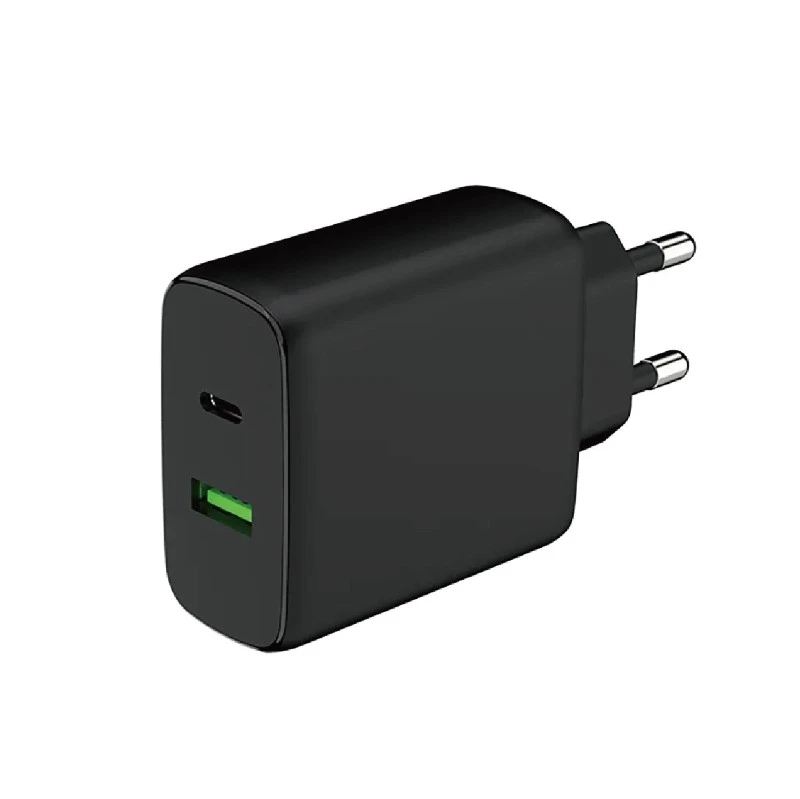
Although the iPhone is compatible with a variety of chargers, you need to be extra careful when choosing non-original or third-party chargers:
- Reduced charging speed: If the charger is not powerful enough, the charging process may become slow.
- Increased risk of device damage: Low-quality chargers may not be able to effectively control the current, causing damage to the battery, or even causing problems such as overheating.
- Safety hazards: Inferior products may lack necessary safety protection measures, such as short-circuit protection, temperature monitoring, etc., and long-term use may cause serious accidents such as fire.
4. How to safely use different chargers
To ensure the safety of your iPhone and extend its lifespan, you can take the following measures:
- Choose regular channels to purchase: Try to buy chargers from official stores or reputable retailers.
- Check product certification marks: Confirm whether the selected charger has CE, FCC, or other internationally recognized safety standards certification.
- Give priority to original accessories: Although the cost is higher, original chargers are more guaranteed in terms of quality and safety.
- Pay attention to the charging environment: Avoid using the charger in extreme temperatures, keep it well-ventilated, and prevent overheating.
- Regular inspection and maintenance: For used chargers, check regularly for wear, cracks, etc., and replace problematic products in time.
