




What is the price - performance ratio of desktop fans?
 Aug 22, 2025|
When it comes to staying cool during those sweltering summer days or stuffy indoor environments, desktop fans are a game-changer. As a desktop fan supplier, I've seen firsthand the importance of understanding the price - performance ratio of these nifty gadgets. In this blog, I'll break down what price - performance ratio means for desktop fans and why it matters to you.
What is Price - Performance Ratio?
Let's start with the basics. The price - performance ratio is all about getting the most bang for your buck. It's a comparison between the cost of a product and the benefits or performance it offers. For desktop fans, this means looking at factors like how powerful the fan is, how quiet it runs, how many speed settings it has, and of course, its price.
A high price - performance ratio means you're getting a great deal. You're paying a reasonable amount for a fan that performs well and meets your needs. On the other hand, a low price - performance ratio might mean you're overpaying for a fan that doesn't offer much in terms of performance.
Factors Affecting the Price - Performance Ratio of Desktop Fans
1. Fan Power and Airflow
The power of a desktop fan is usually measured in cubic feet per minute (CFM). A higher CFM means more air is being moved, which translates to better cooling. Fans with higher power and airflow tend to be more expensive, but they also offer better performance. If you need a fan for a large area or for intense cooling, investing in a high - powered fan might be worth it. For example, some of our Top Rated Desk Fans have a high CFM rating, providing strong and consistent airflow.
2. Noise Level
Nobody wants a fan that sounds like a jet engine taking off. The noise level of a fan is measured in decibels (dB). A quieter fan is generally more expensive, but it can make a big difference in your comfort, especially if you're using the fan in a bedroom or office. Our Most Quiet Desk Fan is designed to operate at a low noise level, so you can enjoy the cooling without the distraction.

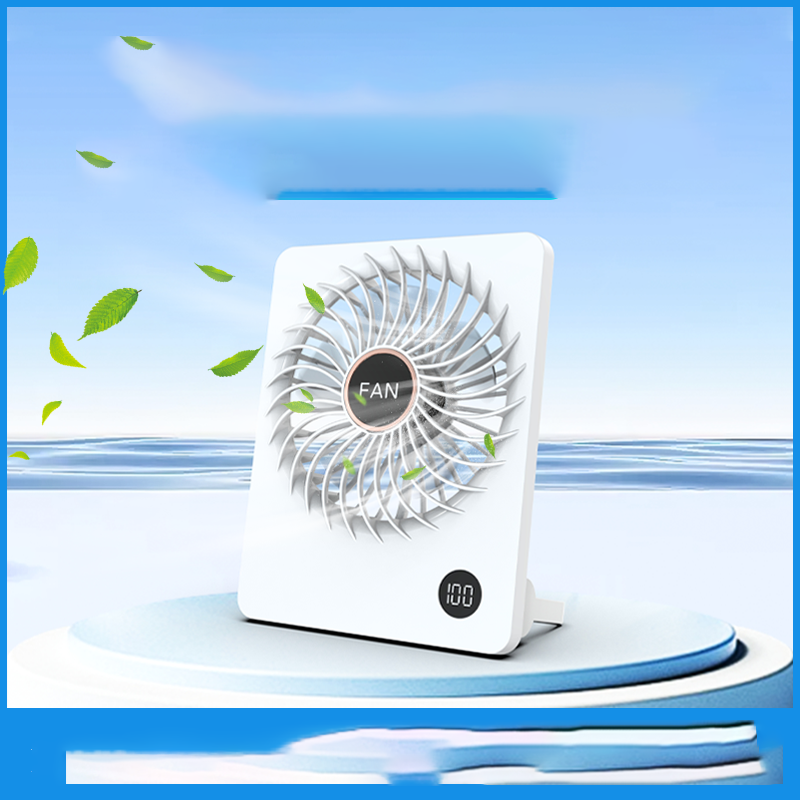
3. Speed Settings
Fans with multiple speed settings give you more control over the airflow and noise level. You can choose a low speed for a gentle breeze or a high speed for maximum cooling. More speed settings usually mean a higher price, but they also increase the versatility of the fan.
4. Build Quality and Durability
A well - built fan will last longer and require fewer repairs. Fans made from high - quality materials and with good craftsmanship are often more expensive, but they offer better long - term value. Cheaper fans might break down quickly, which means you'll have to replace them more often, ultimately costing you more in the long run.
Comparing Different Types of Desktop Fans
1. Traditional Blade Fans
These are the most common type of desktop fans. They're usually affordable and offer decent airflow. However, they can be a bit noisy, especially at higher speeds. Some traditional blade fans come with multiple speed settings and oscillation features, which increase their price but also their functionality.
2. Tower Fans
Tower fans are sleek and take up less space. They often have a wider range of oscillation and can provide a more even distribution of air. Tower fans tend to be more expensive than traditional blade fans, but they offer better performance in terms of air circulation.
3. Blade - less Fans
Blade - less fans are a newer technology. They're quiet, easy to clean, and have a modern look. However, they're also the most expensive type of desktop fan. The price reflects the advanced technology and design, but they do offer a unique and high - end cooling experience.
How to Choose a Desktop Fan with a Good Price - Performance Ratio
1. Determine Your Needs
First, think about where you'll be using the fan and what your cooling requirements are. If you need a fan for a small personal space like a bedside table, a less powerful and more affordable fan might be sufficient. Check out our Bed Side Table Fan for a great option in this category. If you're in a large room or need intense cooling, you'll want to invest in a more powerful fan.
2. Set a Budget
Decide how much you're willing to spend on a fan. This will help you narrow down your options and focus on fans that offer the best value within your price range.
3. Read Reviews
Before making a purchase, read reviews from other customers. They can give you valuable insights into the performance, reliability, and price - performance ratio of different fans. Look for reviews that specifically mention the factors that are important to you, such as noise level and airflow.
Why Our Desktop Fans Offer a Great Price - Performance Ratio
As a desktop fan supplier, we're committed to providing our customers with high - quality fans at reasonable prices. We source the best materials and use the latest manufacturing techniques to ensure our fans are durable and perform well.
Our fans come with a variety of features, including multiple speed settings, oscillation, and quiet operation. We offer a range of fan types, from traditional blade fans to tower fans and blade - less fans, so you can choose the one that best suits your needs and budget.
We also offer excellent customer service. If you have any questions or concerns about our fans, our team is always ready to help. We want you to be completely satisfied with your purchase, and we believe that our fans offer the best price - performance ratio on the market.
Contact Us for Purchase and Negotiation
If you're interested in purchasing our desktop fans, we'd love to hear from you. Whether you're a retailer looking to stock our products or an individual in need of a quality fan, we're here to assist you. We offer competitive pricing and flexible purchasing options. Contact us today to start the negotiation process and find the perfect desktop fan for your needs.
References
- Consumer Reports. Desktop Fan Buying Guide.
- Fan Manufacturers Association. Technical Standards for Fan Performance.