




What is the noise level of a handheld fan?
 May 28, 2025|
 Hey there! As a supplier of handheld fans, I often get asked about the noise level of these nifty gadgets. It's a valid concern, especially if you're planning to use a handheld fan in a quiet environment like a library, office, or even while you're trying to catch some Zs at night. So, let's dive into what the noise level of a handheld fan is all about.
What Determines the Noise Level of a Handheld Fan?
First off, we need to understand what makes a handheld fan noisy. There are a few key factors at play here. The motor is one of the biggest contributors. A cheap or poorly designed motor can produce a lot of vibrations and whirring sounds. These vibrations are then transferred to the fan's housing, which amplifies the noise.
The size and shape of the fan blades also matter. Larger blades might move more air, but they can also create more noise, especially if they're not balanced properly. When the blades are unbalanced, they can cause the fan to wobble, which in turn generates more noise.
Another factor is the speed setting of the fan. Generally, the higher the speed, the louder the fan will be. This is because the motor has to work harder to spin the blades faster, and the increased airflow creates more turbulence, which results in more noise.
How is Noise Measured?
Noise is measured in decibels (dB). A whisper is about 30 dB, normal conversation is around 60 dB, and a lawnmower can reach up to 90 dB. For handheld fans, the noise level typically ranges from about 30 dB to 60 dB, depending on the factors we just talked about.
A fan with a noise level of 30 dB is very quiet. It's barely noticeable, and you can use it in a quiet room without disturbing anyone. On the other hand, a fan that reaches 60 dB is a bit louder, similar to normal conversation. You'll definitely hear it, but it shouldn't be too distracting.
Comparing Different Types of Handheld Fans
Let's take a look at some different types of handheld fans and their typical noise levels.
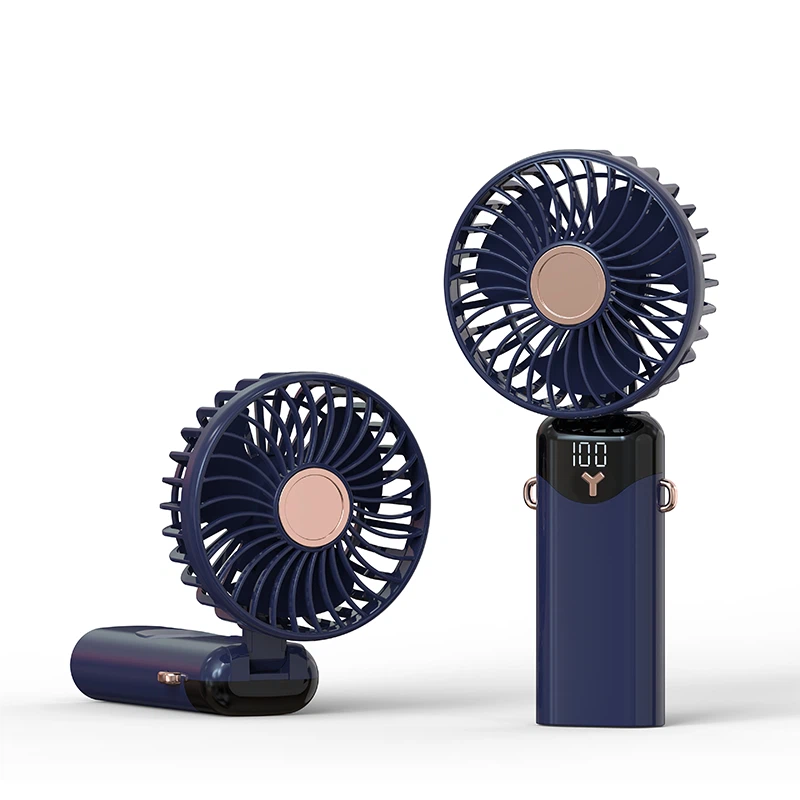
Hands Free Personal Fan: These fans are great for when you want to keep cool without having to hold the fan in your hand. They often come with a clip or a strap so you can attach them to your clothes or a bag. The noise level of a Hands Free Personal Fan usually ranges from 35 dB to 50 dB. At the lower end of this range, it's almost as quiet as a gentle breeze, while at the higher end, it's still not too loud to be annoying.
Honhey Handheld Fan: Honhey is a well - known brand in the handheld fan market. Their fans are known for their quality and performance. The Honhey Handheld Fan typically has a noise level between 30 dB and 45 dB. This makes it a great choice for those who want a quiet and efficient fan.
Hand Held Face Fan: As the name suggests, these fans are designed to be held in your hand and directed towards your face. They are usually small and portable. The noise level of a Hand Held Face Fan can vary from 30 dB to 55 dB. Smaller models with slower speeds tend to be on the quieter side, while larger or more powerful ones can be a bit louder.
Why Does the Noise Level Matter?
You might be wondering why the noise level of a handheld fan is such a big deal. Well, there are a few reasons.

If you're using the fan in a quiet environment, like a study room or a bedroom, a noisy fan can be a major distraction. It can make it difficult to concentrate on your work or get a good night's sleep.
On the other hand, if you're using the fan in a noisy environment, like a busy street or a construction site, the noise level might not matter as much. In fact, the fan's noise might even blend in with the background noise.
How to Choose a Quiet Handheld Fan
If you're in the market for a quiet handheld fan, here are some tips to help you make the right choice.
- Check the product specifications: Most manufacturers will list the noise level of their fans in the product description. Look for fans with a noise level of 40 dB or lower if you want a really quiet fan.
- Read customer reviews: Customers who have already purchased the fan can give you a good idea of how noisy it actually is. Look for reviews that mention the noise level specifically.
- Test the fan if possible: If you're buying the fan in a physical store, ask if you can turn it on and listen to the noise level. This will give you a firsthand experience of how quiet or loud the fan is.
Our Range of Quiet Handheld Fans
As a supplier of handheld fans, we understand the importance of noise level. That's why we offer a wide range of handheld fans that are designed to be as quiet as possible without sacrificing performance.
Our fans are made with high - quality motors and well - balanced blades to minimize vibrations and noise. Whether you're looking for a hands - free personal fan, a Honhey handheld fan, or a hand - held face fan, we've got you covered.
We also offer different speed settings on our fans. You can choose a lower speed if you want a quieter operation, or crank it up to a higher speed when you need more airflow.
Contact Us for Purchase and Negotiation
If you're interested in purchasing our handheld fans, whether it's for personal use or for your business, we'd love to hear from you. We offer competitive prices and excellent customer service.
Don't hesitate to reach out to us for more information, to discuss your specific needs, or to negotiate the best deal. We're always happy to work with our customers to find the perfect handheld fan solution for them.
References
- "Handbook of Noise Measurement" by Cirrus Research plc
- Various product manuals and specifications from handheld fan manufacturers.