




How to improve the performance of a handheld fan?
 Sep 02, 2025|
 Hey there! As a supplier of handheld fans, I've seen firsthand how important it is for these little gadgets to perform at their best. Whether it's a hot summer day, a stuffy office, or a crowded event, a high - performing handheld fan can make all the difference. So, let's dive into some tips on how to improve the performance of a handheld fan.
1. Choose the Right Motor
The motor is the heart of a handheld fan. A high - quality motor can make the fan spin faster and more efficiently, generating a stronger airflow. When sourcing motors for our Honhey Handheld Fan, we look for motors with high torque and low power consumption. Motors with high torque can drive the fan blades to rotate at a high speed, creating a more powerful breeze. And low - power consumption means the fan can run for a longer time on a single charge or battery replacement.
There are different types of motors available, such as brushed and brushless motors. Brushless motors are generally more efficient and durable than brushed motors. They produce less heat and noise, and they also have a longer lifespan. So, if you're looking to improve the performance of your handheld fan, consider using a brushless motor.
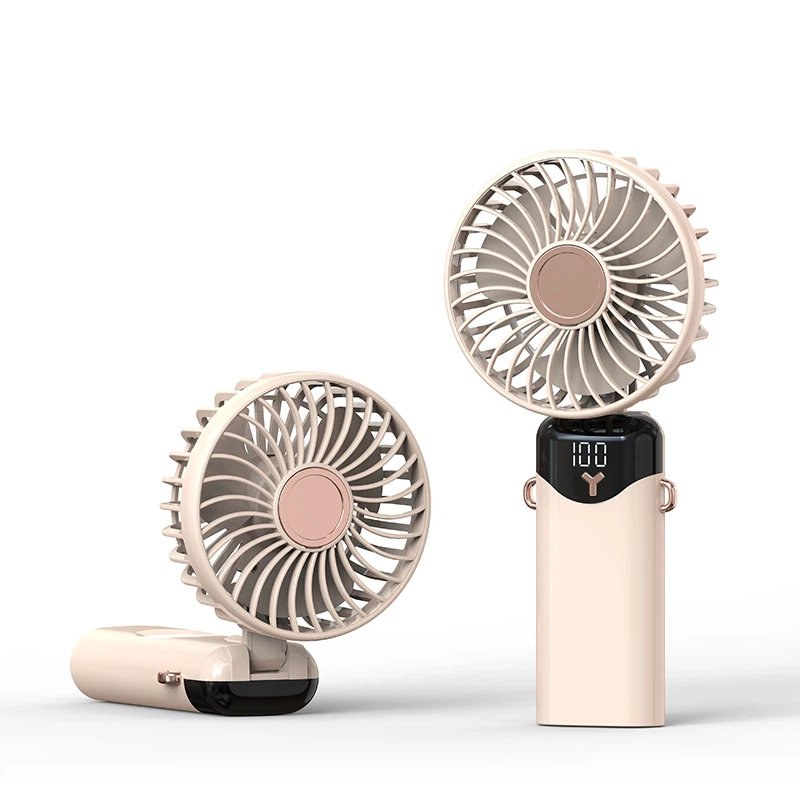
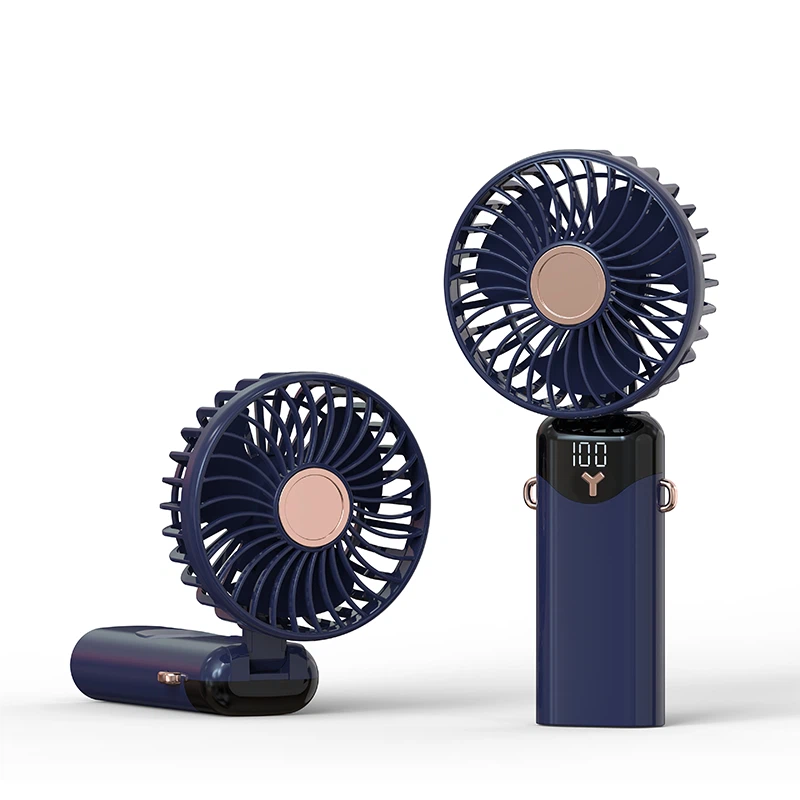
2. Optimize the Fan Blade Design
The design of the fan blades plays a crucial role in determining the airflow and efficiency of the fan. Blades with a proper pitch and curvature can move more air with less effort. A well - designed blade can create a smooth and consistent airflow, which is more comfortable to feel.
For our Hand Held Face Fan, we've experimented with different blade designs to find the optimal one. We've found that blades with a slightly curved shape and a specific pitch angle can generate a stronger and wider - spread airflow. Also, the number of blades can affect the performance. More blades can sometimes create a more uniform airflow, but they may also require more power to rotate. So, it's all about finding the right balance.
3. Improve the Battery Life
No one wants a handheld fan that dies out after just a few minutes of use. To improve the performance of a handheld fan, it's essential to enhance its battery life. One way to do this is by using high - capacity batteries. Lithium - ion batteries are a popular choice for handheld fans because they have a high energy density, which means they can store more energy in a smaller size.
Another strategy is to optimize the power management system of the fan. Our Hands Free Personal Fan is equipped with a smart power management system that adjusts the power consumption based on the fan speed setting. When the fan is set to a lower speed, it consumes less power, allowing the battery to last longer. Additionally, you can provide users with the option to charge the fan via different methods, such as USB charging, so they can easily recharge the fan wherever they are.
4. Reduce Noise
A noisy fan can be a real annoyance. To improve the performance of a handheld fan, reducing noise is a must. As mentioned earlier, using a brushless motor can significantly reduce noise. The absence of brushes in a brushless motor means there is less friction and vibration, resulting in a quieter operation.
In addition to the motor, the overall construction of the fan can also affect the noise level. Make sure the fan housing is well - designed to dampen vibrations. Using high - quality materials and precise manufacturing processes can help reduce any rattling or buzzing sounds. For example, adding rubber gaskets or insulation inside the housing can absorb vibrations and reduce noise transmission.
5. Enhance the Airflow Direction
Controlling the direction of the airflow can greatly improve the usability of a handheld fan. Some fans come with adjustable heads or nozzles that allow users to direct the airflow where they need it most. For instance, our fans are designed with a flexible neck or an adjustable nozzle, so users can easily point the fan towards their face, neck, or other body parts.
You can also consider adding features like multiple air outlets or a diffuser to spread the airflow more evenly. This can make the fan more effective in cooling a larger area.
6. Regular Maintenance
Just like any other device, a handheld fan needs regular maintenance to perform at its best. Encourage users to clean the fan blades regularly to remove any dust or debris that may accumulate over time. A dirty fan blade can reduce the airflow and efficiency of the fan.
Check the motor and battery regularly for any signs of wear or damage. If the battery is not holding a charge as well as it used to, it may be time to replace it. Also, make sure the fan is properly lubricated if it has any moving parts. This can help reduce friction and ensure smooth operation.
7. User - Centric Design
Finally, to truly improve the performance of a handheld fan, you need to think about the user experience. Make the fan easy to hold and operate. Consider the weight and size of the fan. A lightweight and compact fan is more convenient to carry around.
Add features that users will appreciate, such as different speed settings, LED lights for low - light situations, or a built - in stand for hands - free use. By focusing on the user's needs and preferences, you can create a handheld fan that not only performs well but also provides a great user experience.
If you're interested in purchasing high - performance handheld fans or want to discuss customizing fans for your specific needs, I'd love to have a chat with you. Feel free to reach out, and we can start the procurement discussion.
References
- "Fan Engineering Handbook"
- "Principles of Electric Motors"
- "Battery Technology and Applications"