




How to choose a mini fan?
 Jan 01, 2026|
 Hey there! If you're in the market for a mini fan, you've come to the right place. I'm a mini fan supplier, and I've seen it all when it comes to these nifty little devices. In this blog post, I'll share some tips on how to choose the perfect mini fan for your needs.
Consider Your Usage Scenarios
First things first, think about where and how you'll be using the mini fan. Different scenarios call for different features.
Sleeping
If you're looking for a Small Fan For Sleeping, you'll want a fan that's quiet. No one wants a noisy fan keeping them awake at night. Look for fans with a low decibel rating. Also, consider a fan with an adjustable speed. You might want a gentle breeze on some nights and a stronger one on others. Some sleeping fans come with a timer function, so you can set it to turn off after a certain period. This is great if you don't want the fan running all night.
Greenhouse
For a Small Fan for Greenhouse, air circulation is key. You need a fan that can move air around effectively to prevent hot spots and keep the plants healthy. Look for fans with a wide oscillation range. This will ensure that the air is distributed evenly throughout the greenhouse. Also, consider the durability of the fan. Greenhouses can be humid and have fluctuating temperatures, so you want a fan that can withstand these conditions.
Outdoor Use
When it comes to Outdoor Mini Fan, portability and battery life are crucial. You'll want a fan that's lightweight and easy to carry around. Look for fans that are powered by rechargeable batteries. This way, you can use them wherever you go without having to worry about finding an outlet. Also, consider the fan's design. Some outdoor fans are designed to be attached to a backpack or a tent, which can be really handy.
Fan Type
There are several types of mini fans available, each with its own advantages.
Blade Fans
Blade fans are the most common type of mini fan. They're usually affordable and provide a strong airflow. However, they can be a bit noisy, especially at higher speeds. If you're looking for a powerful fan for general use, a blade fan might be a good choice.
bladeless Fans
Bladeless fans are a newer type of fan. They're known for being quiet and safe, especially around children and pets. Since there are no exposed blades, there's no risk of getting fingers caught. However, they tend to be more expensive than blade fans, and the airflow might not be as strong.
Clip-on Fans
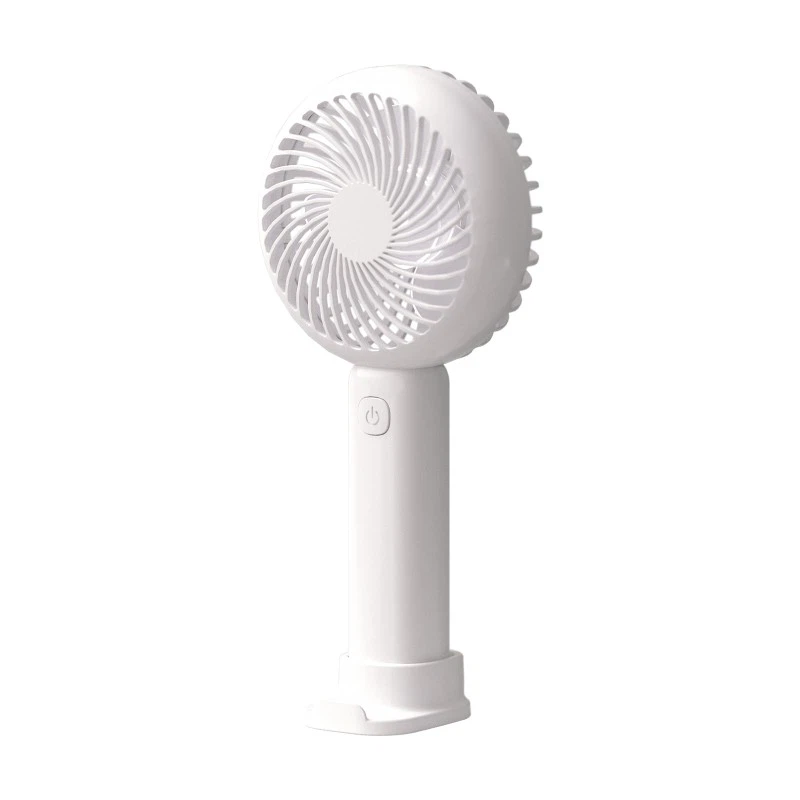
Clip-on fans are very versatile. You can attach them to a desk, a bed frame, or even a stroller. They're great for personal use and can be adjusted to direct the airflow where you need it.
Airflow and Speed Settings
The airflow of a mini fan is measured in cubic feet per minute (CFM). The higher the CFM, the stronger the airflow. If you need a fan for a larger area or for a stuffy room, look for a fan with a higher CFM.
Most mini fans come with multiple speed settings. Having different speed options allows you to adjust the airflow according to your needs. For example, you might want a low speed for a gentle breeze and a high speed for a more powerful airflow on a hot day.
Noise Level
As I mentioned earlier, noise level is an important factor, especially if you're using the fan for sleeping or in a quiet environment. Fan noise is measured in decibels (dB). A fan with a noise level of around 30-40 dB is considered quiet. Look for fans that have been specifically designed to operate quietly.
Battery Life and Power Source
If you're planning to use the mini fan on the go, battery life is crucial. Rechargeable batteries are a popular choice for portable fans. Check the battery capacity and how long it takes to fully charge the fan. Some fans can run for several hours on a single charge, while others might have a shorter battery life.
If you're using the fan at home, you can choose between battery-powered and plug-in fans. Plug-in fans provide a continuous power supply, so you don't have to worry about the battery running out.
Build Quality and Durability
A well-built fan will last longer and perform better. Look for fans made from high-quality materials. Plastic fans are lightweight and affordable, but they might not be as durable as metal fans. Check the construction of the fan, including the motor and the blades. A sturdy fan will be able to withstand regular use and minor bumps and knocks.
Price
Mini fans come in a wide range of prices. You can find basic fans for as little as a few dollars, while more advanced models with additional features can cost upwards of $50. Set a budget before you start shopping, and look for a fan that offers the features you need within your price range.
Additional Features
Some mini fans come with additional features that can enhance their functionality. For example, some fans have a built-in LED light, which can be useful in the dark. Others might have a remote control, allowing you to adjust the speed and settings without having to get up.
In conclusion, choosing the right mini fan depends on your specific needs and preferences. By considering the factors I've mentioned above, you'll be able to find a fan that's perfect for you.
If you're interested in purchasing mini fans for your business or for personal use, I'd love to have a chat with you. Whether you need a small batch or a large order, I can provide you with high-quality mini fans at competitive prices. Feel free to reach out to discuss your requirements and let's see how we can work together.
References
- "Consumer Reports - Mini Fans Review"
- "Fan Buying Guide - Home Improvement Magazine"