




Do wired keyboards have a low power consumption design?
 Dec 23, 2025|
 In the ever - evolving landscape of computer peripherals, the question of power consumption has become increasingly relevant. As a wired keyboard supplier, I've been asked numerous times whether wired keyboards have a low power consumption design. This blog post aims to explore this topic in depth, offering insights into the power - related aspects of wired keyboards and how our products stack up in this regard.
Understanding Power Consumption in Wired Keyboards
To start with, it's essential to understand the fundamental difference between wired and wireless keyboards when it comes to power. Wireless keyboards rely on batteries or rechargeable power sources, which means they need to be designed with power efficiency in mind to ensure long battery life. On the other hand, wired keyboards are directly connected to a computer via a cable, usually a USB cable. They draw power from the computer's USB port.
The power consumption of a wired keyboard is generally quite low. Most modern computers' USB ports are designed to provide a stable power supply, typically up to 5 volts and 0.5 - 1 ampere. A wired keyboard doesn't require a large amount of power to function. The main components of a wired keyboard, such as the key switches, the circuit board, and the LED indicators (if any), consume minimal power.
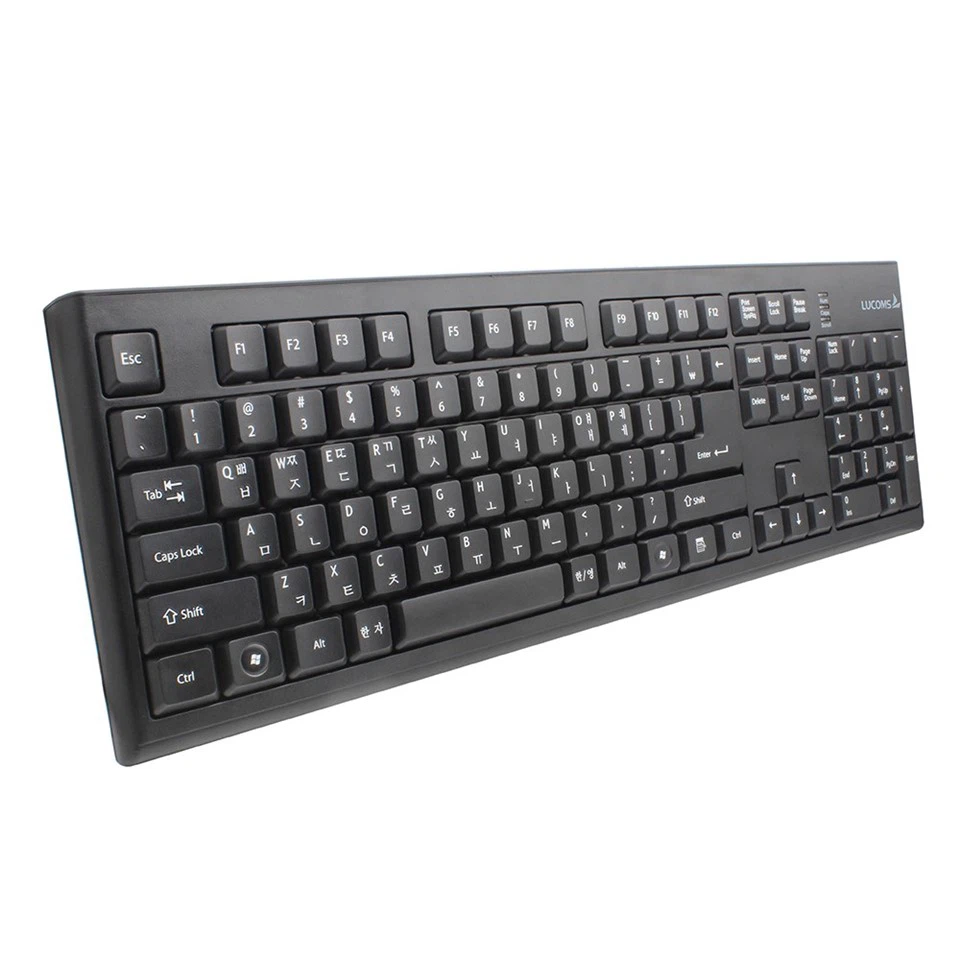

The key switches in a wired keyboard are mechanical or membrane - based. Mechanical switches, known for their tactile feedback and durability, are designed to operate with a relatively small amount of electrical current. When a key is pressed, a simple electrical circuit is completed, and the keyboard sends a signal to the computer. This action consumes a negligible amount of power. Membrane switches, which are more common in budget - friendly keyboards, also have a low power requirement as they rely on a thin membrane to register key presses.
The circuit board of a wired keyboard is another area where power consumption is kept in check. It is designed to efficiently process the signals from the key switches and transmit them to the computer. Advanced circuit design techniques are employed to minimize power leakage and ensure that the keyboard operates with maximum efficiency.
Our Wired Keyboard Offerings and Their Power Efficiency
As a wired keyboard supplier, we take pride in our product range, which includes several models known for their low power consumption design.
Soft Touch Keyboard Wired
The Soft Touch Keyboard Wired is one of our flagship products. It features a membrane switch design, which not only provides a quiet and comfortable typing experience but also consumes very little power. The membrane switches are designed to require minimal electrical current to register key presses accurately. The keyboard also has energy - saving features, such as automatic standby mode. When the keyboard is not in use for a certain period, it enters a low - power state, further reducing power consumption.
Soft Touch Wired Keyboard
Similar to the Soft Touch Keyboard Wired, the Soft Touch Wired Keyboard is engineered for power efficiency. It uses a highly optimized circuit board that reduces power wastage. The keyboard's LED indicators, if present, are also designed to use low - power LEDs, ensuring that the overall power consumption remains at a minimum. This makes it an ideal choice for users who are conscious about energy usage and want a reliable keyboard without sacrificing performance.
Multimedia Wired Keyboard
The Multimedia Wired Keyboard is designed for users who require additional functionality, such as multimedia controls. Despite its extra features, we have ensured that it has a low power consumption design. The multimedia keys are integrated into the keyboard's circuit in a way that doesn't significantly increase the power demand. The keyboard is also compatible with energy - efficient computers, and it automatically adjusts its power usage based on the specifications of the connected device.
Comparing Wired Keyboards to Other Input Devices
When comparing wired keyboards to other input devices in terms of power consumption, they often come out on top. For example, touchpads integrated into laptops can consume a notable amount of power, especially when they are in use for tasks such as scrolling and multi - finger gestures. Gaming mice, which often have high - precision sensors and RGB lighting, can also consume a relatively large amount of power.
Another advantage of wired keyboards in terms of power is their reliability. Since they are directly connected to the computer, they don't rely on batteries that can run out of charge or need to be replaced. This means that users can use their keyboards without having to worry about power interruptions, making them a practical choice for everyday use.
The Future of Low - Power Wired Keyboard Design
As technology continues to advance, we are constantly looking for ways to further reduce the power consumption of our wired keyboards. One area of research is the development of more energy - efficient key switches. New materials and manufacturing processes are being explored to create switches that require even less electrical current to operate.
We are also looking into improving the power management capabilities of our keyboards. This includes implementing more intelligent standby modes and power - saving algorithms that can adapt to different usage patterns. For example, if a user typically types in short bursts, the keyboard can be designed to enter a low - power state more quickly between typing sessions.
Conclusion and Call to Action
In conclusion, wired keyboards do indeed have a low power consumption design. Their direct connection to the computer, combined with the efficient design of their components, ensures that they use minimal power while providing reliable performance. Our product range, including the Soft Touch Keyboard Wired, Soft Touch Wired Keyboard, and Multimedia Wired Keyboard, is a testament to our commitment to power efficiency.
If you are interested in learning more about our wired keyboards or are considering a bulk purchase for your business or organization, we encourage you to contact us for a detailed discussion. Our team of experts is ready to provide you with all the information you need and to assist you in finding the perfect keyboard solutions for your needs.
References
- "Computer Peripherals and Their Power Consumption", Electronics Engineering Journal, Vol. 23, Issue 4
- "Advances in Keyboard Technology: Power Efficiency and User Experience", International Journal of Human - Computer Interaction, Vol. 15, Issue 2
- "Low - Power Design Principles for Computer Input Devices", IEEE Transactions on Consumer Electronics, Vol. 40, Issue 1