




Can a humidifier be used in a library?
 Jun 17, 2025|
 Can a humidifier be used in a library? This is a question that has intrigued many library administrators, staff, and even patrons. As a humidifier supplier, I've delved deep into this topic to understand the implications, benefits, and potential drawbacks of using humidifiers in library settings.
Libraries are treasure troves of knowledge, housing countless books, manuscripts, and digital resources. Maintaining the right environment is crucial for preserving these valuable materials. The humidity level in a library plays a significant role in the longevity of books and other media. When the air is too dry, paper can become brittle, leading to pages cracking and falling out. On the other hand, excessive humidity can encourage the growth of mold and mildew, which can irreparably damage books and pose health risks to library users.
One of the primary benefits of using a humidifier in a library is the preservation of books. By maintaining an optimal humidity level, typically between 40% and 60%, the paper in books remains supple and less prone to damage. This not only extends the lifespan of the library's collection but also reduces the need for costly restoration and replacement of damaged materials.
In addition to book preservation, a properly humidified environment can also enhance the comfort of library patrons and staff. Dry air can cause a variety of discomforts, such as dry skin, irritated eyes, and respiratory problems. By adding moisture to the air, a humidifier can alleviate these symptoms, making the library a more pleasant place to study, work, or browse.
However, using a humidifier in a library also comes with some challenges. One of the main concerns is the risk of over - humidification. If the humidity level rises too high, it can create a breeding ground for mold and bacteria. To mitigate this risk, it's essential to use a humidifier with a built - in humidity sensor that can automatically adjust the output to maintain the desired humidity level. Regular monitoring of the humidity level using a hygrometer is also recommended.
Another challenge is the potential for water damage. Leaks or spills from a humidifier can damage books, furniture, and electronic equipment in the library. To prevent this, it's important to choose a high - quality humidifier with reliable construction and proper safety features. Additionally, the humidifier should be placed on a stable surface away from valuable items.
When selecting a humidifier for a library, several factors should be considered. The size of the library is an important factor, as larger spaces will require a more powerful humidifier. Ultrasonic humidifiers are often a good choice for libraries because they are quiet, energy - efficient, and can cover a relatively large area. They work by using high - frequency vibrations to create a fine mist that is dispersed into the air.
Evaporative humidifiers are another option. These humidifiers work by blowing air through a wet wick, causing the water to evaporate and add moisture to the air. They are generally more affordable than ultrasonic humidifiers but may require more maintenance, such as regular replacement of the wick.

In terms of features, a humidifier with a timer can be useful, allowing the library staff to control when the humidifier operates. This can be especially beneficial during off - hours when the library is closed. Some humidifiers also come with air purification features, which can help to remove dust and other pollutants from the air, further improving the indoor air quality in the library.
Now, let's talk about how a humidifier can complement other equipment in a library. For example, in addition to a humidifier, a Cable Less Mouse can be a great addition to the library's computer stations. It offers the convenience of wireless operation, allowing patrons to move freely without the hassle of cords.
An Optical 7d Gaming Mouse can also be a valuable asset, especially if the library has gaming or multimedia areas. Its advanced features can provide a more immersive gaming experience for users.
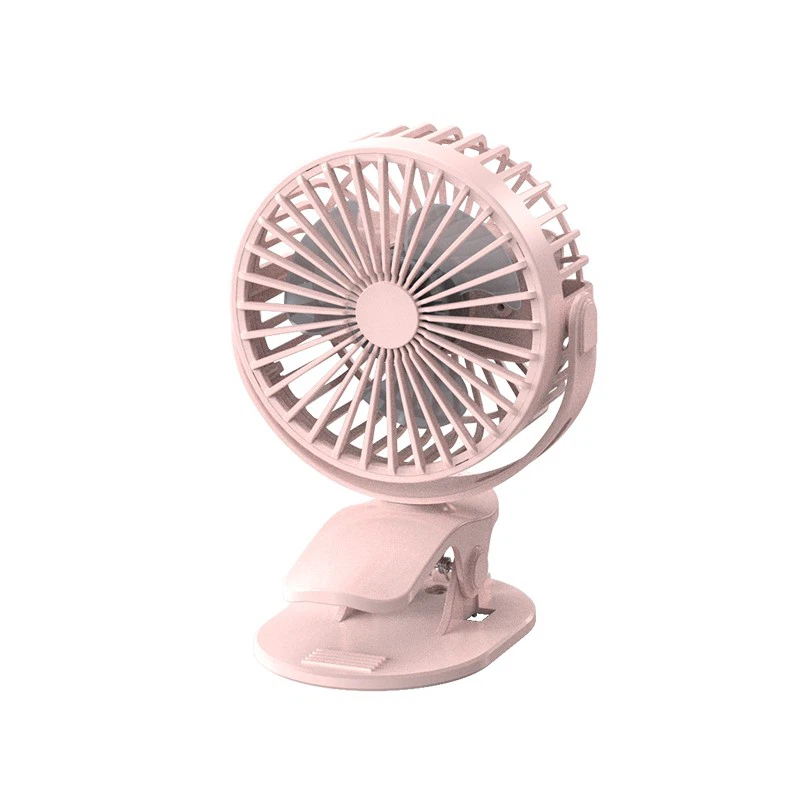
A Silent Usb Desk Fan can be used in combination with a humidifier to improve air circulation. Good air circulation helps to distribute the humidified air evenly throughout the library, ensuring that all areas maintain the desired humidity level.
In conclusion, a humidifier can be a valuable addition to a library when used correctly. It offers numerous benefits, including book preservation and improved comfort, but also requires careful management to avoid potential problems. As a humidifier supplier, I am committed to providing high - quality products and expert advice to help libraries create the ideal indoor environment.
If you're a library administrator or someone involved in the management of a library and are interested in learning more about how a humidifier can benefit your library, I encourage you to reach out to me. We can discuss your specific needs, budget, and the best humidifier options for your library. Whether you're looking to preserve your valuable book collection or enhance the comfort of your patrons, I'm here to help. Let's work together to create a healthier and more comfortable library environment.
References
- American Library Association. Guidelines for Library Environmental Conditions.
- World Health Organization. Indoor Air Quality Guidelines.
- Humidifier Manufacturer's Manuals.