




Are ultrasonic air humidifiers safe?
 May 15, 2025|
 Are ultrasonic air humidifiers safe?
As a supplier of air humidifiers, I often encounter questions from customers regarding the safety of ultrasonic air humidifiers. This concern is entirely valid, considering that these devices are used in our living spaces, where our health and well - being are of utmost importance. In this blog, I will delve into the safety aspects of ultrasonic air humidifiers, exploring both their benefits and potential risks.
How Ultrasonic Air Humidifiers Work
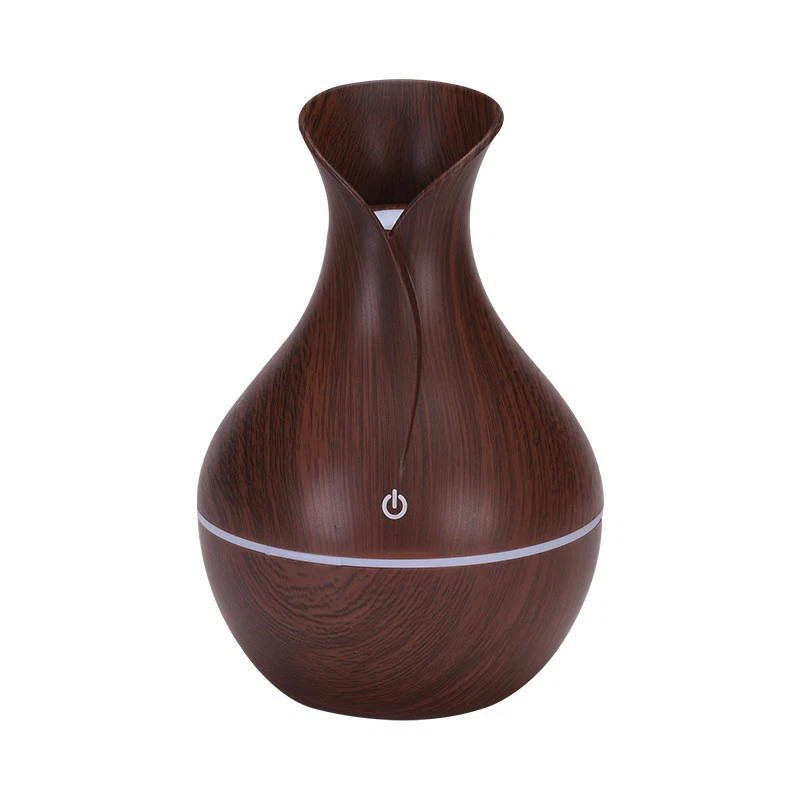
Before discussing safety, it's essential to understand how ultrasonic air humidifiers operate. These humidifiers use high - frequency ultrasonic vibrations to break water into tiny droplets, which are then released into the air as a fine mist. The process is energy - efficient and quiet, making ultrasonic humidifiers a popular choice for many households.
One of the significant advantages of ultrasonic air humidifiers is their ability to quickly increase the humidity in a room. This can be particularly beneficial in dry environments, where low humidity can cause a range of problems, such as dry skin, irritated sinuses, and respiratory issues. By adding moisture to the air, these humidifiers can help alleviate these discomforts and create a more comfortable living environment.
Safety Benefits
- Improved Respiratory Health: Maintaining proper humidity levels in the air can have a positive impact on respiratory health. Dry air can irritate the respiratory tract, making it more susceptible to infections. Ultrasonic air humidifiers can help keep the airways moist, reducing the risk of coughing, wheezing, and other respiratory problems. For those suffering from allergies or asthma, a well - humidified environment can also help reduce the severity of symptoms.
- Skin Health: Dry air can rob the skin of its natural moisture, leading to dryness, itching, and flaking. Using an ultrasonic air humidifier can help keep the skin hydrated, leaving it looking and feeling healthier. This is especially important during the winter months when indoor heating systems can make the air extremely dry.
- Reduced Static Electricity: Low humidity levels often result in an increase in static electricity. This can be a nuisance, causing clothes to cling, electronics to malfunction, and even small shocks when touching metal objects. Ultrasonic air humidifiers can help dissipate static electricity by adding moisture to the air, creating a more comfortable and static - free environment.
Potential Risks and How to Mitigate Them
- Bacterial and Mold Growth: Since ultrasonic air humidifiers use water, there is a risk of bacterial and mold growth if the device is not properly maintained. Standing water in the humidifier's tank can become a breeding ground for these microorganisms, which can then be released into the air along with the mist. To prevent this, it is crucial to clean the humidifier regularly. Empty and refill the tank daily with fresh, clean water, and follow the manufacturer's instructions for deep cleaning, which usually involves using a mild disinfectant at least once a week.
- White Dust: Some ultrasonic air humidifiers can produce white dust, especially if they are used with hard water. The minerals in hard water are left behind as the water evaporates, and these minerals can be released into the air as fine particles. This white dust can settle on surfaces, making them look dirty, and may also cause respiratory irritation in some individuals. To avoid this problem, use distilled or demineralized water in your ultrasonic air humidifier. These types of water have a lower mineral content, reducing the likelihood of white dust formation.
- Over - Humidification: While maintaining proper humidity levels is important, over - humidification can also pose risks. High humidity levels can create a breeding ground for dust mites, mold, and other allergens. It can also make the air feel sticky and uncomfortable. To prevent over - humidification, use a hygrometer to monitor the humidity levels in your room. The ideal humidity range for most indoor environments is between 30% and 50%. If the humidity levels exceed this range, you can reduce the operation time of the humidifier or turn it off.
Our Product Line
At our company, we offer a range of high - quality ultrasonic air humidifiers that are designed with safety in mind. Our Bedroom Humidifier And Air Purifier combines the benefits of humidification and air purification, ensuring that the air in your bedroom is clean and moist. It is equipped with advanced filtration systems to remove impurities from the water, reducing the risk of bacterial and mold growth.
Our Top Humidifier and Air Purifier is another excellent option for those looking for a powerful and efficient humidification solution. It features a large water tank, allowing for longer operation times, and has adjustable mist output settings to meet your specific needs.

For those who want a more compact and portable option, our Ideal Humidifier is the perfect choice. It is easy to use and maintain, making it suitable for use in small spaces such as offices or dorm rooms.
Conclusion
In conclusion, ultrasonic air humidifiers can be a safe and effective way to improve the air quality in your home. However, it is important to use them correctly and maintain them properly to minimize potential risks. By following the tips mentioned above, you can enjoy the benefits of a well - humidified environment without compromising your health.

If you are interested in purchasing our ultrasonic air humidifiers or have any questions about their safety and performance, please feel free to contact us. We are always happy to assist you and provide you with the best possible solutions for your humidification needs.
References
- Environmental Protection Agency. (2023). "Moisture Control in Your Home."
- Mayo Clinic. (2023). "Humidifiers: How to Choose and Use Them Safely."
- American Lung Association. (2023). "Healthy Home Tips: Humidity and Your Home."