




Are there any health risks associated with air humidifiers with ionizers?
 Dec 01, 2025|
 In recent years, air humidifiers with ionizers have gained significant popularity due to their dual functionality of adding moisture to the air and purifying it through ionization. As a supplier of air humidifiers, I often encounter questions from customers regarding the potential health risks associated with these devices. In this blog post, I will delve into the science behind air humidifiers with ionizers and explore whether there are any health concerns that consumers should be aware of.
Understanding Air Humidifiers with Ionizers
Before we discuss the potential health risks, it's essential to understand how air humidifiers with ionizers work. A traditional air humidifier adds moisture to the air by releasing water vapor, which helps alleviate dryness in the environment. This can be particularly beneficial during the winter months or in arid climates, as it can prevent dry skin, irritated sinuses, and respiratory problems.
On the other hand, an ionizer is a device that releases negatively charged ions into the air. These ions attach themselves to positively charged particles such as dust, pollen, smoke, and other pollutants, causing them to become heavier and fall out of the air or stick to nearby surfaces. This process helps to purify the air and reduce the concentration of airborne contaminants.
Air humidifiers with ionizers combine these two functions, providing both humidity control and air purification in a single device. They are often marketed as a convenient solution for improving indoor air quality and creating a more comfortable living environment.
Potential Health Risks
While air humidifiers with ionizers offer several benefits, there are some potential health risks associated with their use. These risks are primarily related to the production of ozone, a highly reactive gas that can have adverse effects on human health.
Ozone Production
Ionizers work by creating a high-voltage electrical field that ionizes the air molecules. In the process, some ionizers can produce ozone as a byproduct. Ozone is a powerful oxidant that can irritate the lungs, cause coughing, shortness of breath, and chest pain, especially in people with asthma, chronic obstructive pulmonary disease (COPD), or other respiratory conditions.
Exposure to high levels of ozone can also damage the cells lining the lungs, making them more susceptible to infections and other respiratory illnesses. In addition, long-term exposure to ozone has been linked to an increased risk of developing lung cancer and other serious health problems.
It's important to note that not all air humidifiers with ionizers produce ozone. Some models are designed to minimize ozone production or use alternative technologies that do not generate ozone at all. When choosing an air humidifier with an ionizer, it's crucial to look for products that are certified by independent testing organizations such as the Underwriters Laboratories (UL) or the California Air Resources Board (CARB) to ensure that they meet strict ozone emission standards.
Bacterial and Mold Growth
Another potential health risk associated with air humidifiers with ionizers is the growth of bacteria and mold. Humidifiers create a moist environment that is ideal for the growth of microorganisms, especially if they are not properly maintained.
If the water in the humidifier is not changed regularly or if the device is not cleaned thoroughly, bacteria and mold can multiply and be released into the air along with the water vapor. Inhaling these microorganisms can cause respiratory infections, allergies, and other health problems, particularly in people with weakened immune systems.
To prevent bacterial and mold growth, it's important to follow the manufacturer's instructions for cleaning and maintaining your air humidifier with an ionizer. This may include changing the water daily, cleaning the water tank and other components regularly, and using distilled or demineralized water to reduce the buildup of minerals and other contaminants.
Electrostatic Attraction of Particles
In addition to ozone production and bacterial growth, air humidifiers with ionizers can also pose a risk of electrostatic attraction of particles. The negatively charged ions released by the ionizer can attract and collect positively charged particles such as dust, pollen, and other pollutants on nearby surfaces.
While this may seem like a beneficial effect, it can also create a problem if the particles are not removed regularly. Over time, the accumulated particles can become a breeding ground for bacteria and mold, and they can also be released back into the air if the surface is disturbed.
To minimize the risk of electrostatic attraction of particles, it's important to clean the surfaces around the air humidifier with an ionizer regularly. This may include wiping down the device itself, as well as the surrounding furniture, walls, and floors.
Minimizing the Health Risks
Despite the potential health risks associated with air humidifiers with ionizers, there are several steps that consumers can take to minimize these risks and use these devices safely.
Choose a Low-Ozone Model
When purchasing an air humidifier with an ionizer, look for models that are certified to produce low levels of ozone. These models are typically labeled as "ozone-free" or "low-ozone" and have been tested to meet strict ozone emission standards. You can also check the product specifications or contact the manufacturer to confirm the ozone output of the device.
Proper Maintenance
Proper maintenance is essential for preventing bacterial and mold growth in air humidifiers with ionizers. Follow the manufacturer's instructions for cleaning and maintaining the device, including changing the water daily, cleaning the water tank and other components regularly, and using distilled or demineralized water.
In addition, make sure to clean the surfaces around the humidifier regularly to remove any accumulated dust, pollen, or other particles. This will help to prevent the electrostatic attraction of particles and reduce the risk of bacterial and mold growth.
Monitor Ozone Levels
If you are concerned about ozone levels in your home, you can use an ozone monitor to measure the concentration of ozone in the air. These monitors are available for purchase online or at home improvement stores and can provide real-time information about the ozone levels in your environment.
If the ozone levels in your home are higher than the recommended limits, you may need to adjust the settings on your air humidifier with an ionizer or stop using it altogether. You can also improve ventilation in your home by opening windows or using a fan to circulate the air.
Conclusion
Air humidifiers with ionizers can be a convenient and effective way to improve indoor air quality and create a more comfortable living environment. However, it's important to be aware of the potential health risks associated with their use, particularly ozone production and bacterial and mold growth.
By choosing a low-ozone model, following proper maintenance procedures, and monitoring ozone levels, you can minimize these risks and use air humidifiers with ionizers safely. If you have any concerns about the health effects of using these devices, it's always a good idea to consult with a healthcare professional or an indoor air quality expert.
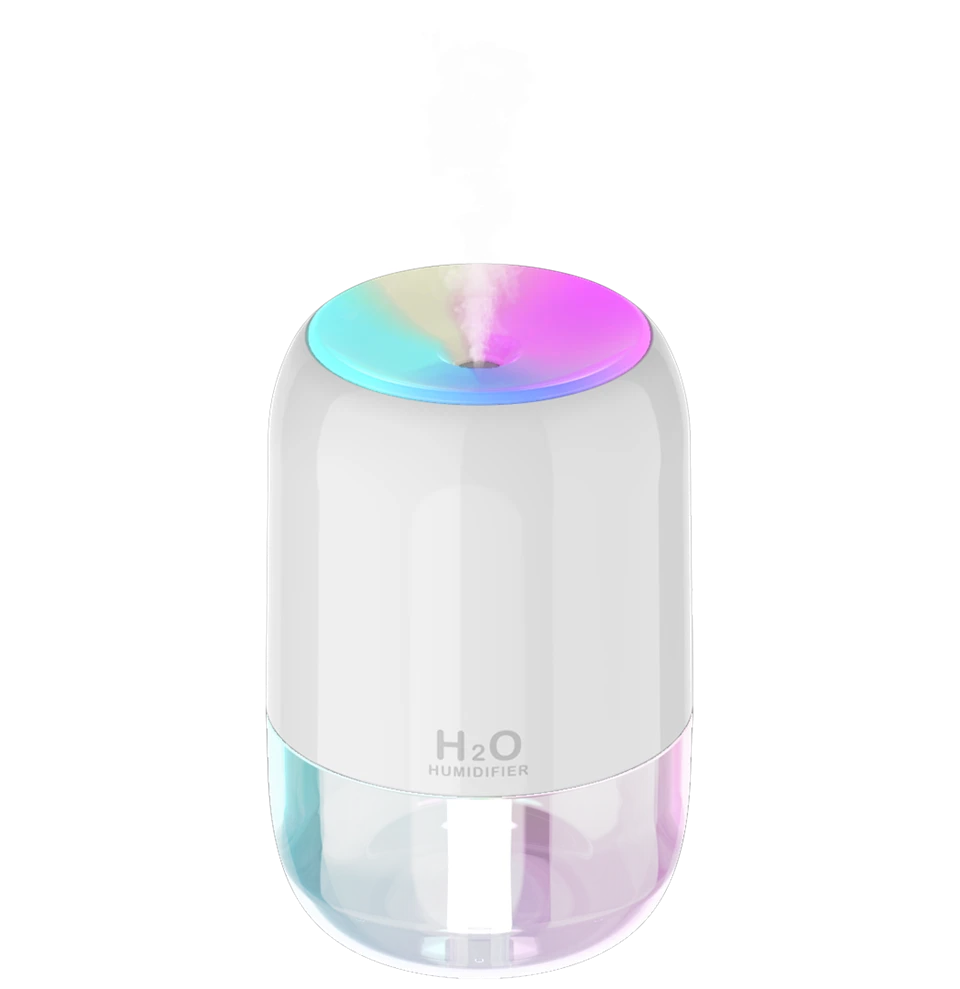
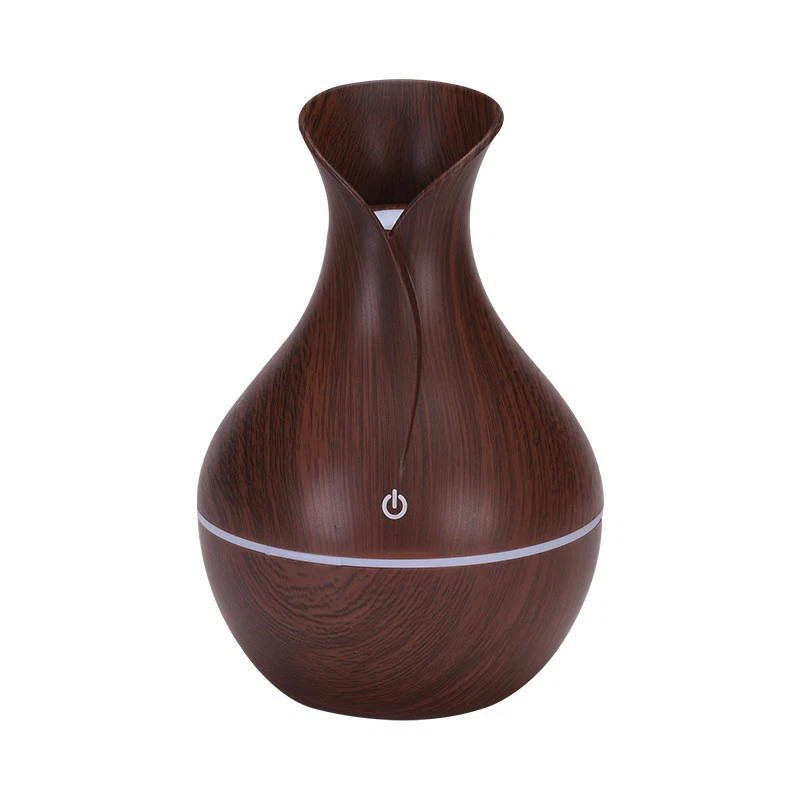
As a supplier of air humidifiers, I am committed to providing high-quality products that meet the needs of our customers while ensuring their safety and well-being. If you are interested in purchasing an air humidifier with an ionizer, I encourage you to explore our range of products, including the Ideal Humidifier, Bedroom Humidifier And Air Purifier, and Top Humidifier and Air Purifier. Our products are designed to provide effective humidity control and air purification while minimizing the production of ozone and other harmful byproducts.
If you have any questions or would like to discuss your specific requirements, please feel free to contact us. We would be happy to assist you in finding the right air humidifier with an ionizer for your home or office.
References
- American Lung Association. (n.d.). Ozone and Your Health. Retrieved from https://www.lung.org/clean-air/outdoor/what-makes-air-unhealthy/ozone.html
- Centers for Disease Control and Prevention. (2018). Humidifiers: How to Use Them Safely. Retrieved from https://www.cdc.gov/niosh/topics/humidifiers/index.html
- Environmental Protection Agency. (2019). Indoor Air Quality and Your Health. Retrieved from https://www.epa.gov/indoor-air-quality-iaq/indoor-air-quality-and-your-health